Understanding Alexithymia and Substance Use Disorders
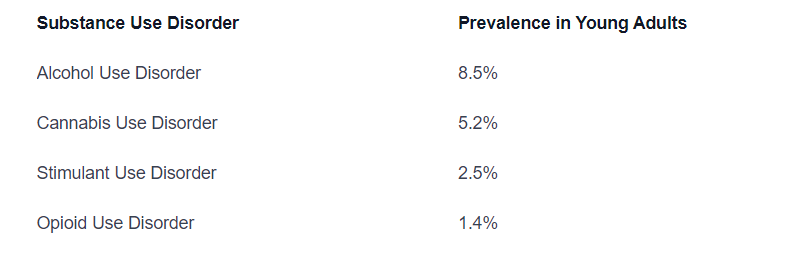
In order to comprehend the complex relationship between alexithymia and substance use disorders in young adults, it is important to first understand what alexithymia is and the prevalence of substance use disorders in this population.

What is Alexithymia?
The Prevalence of Substance Use Disorders in Young Adults
Exploring the Intersection
The Link Between Alexithymia and Substance Use Disorders
Emotional Regulation Challenges
Self-Medication and Coping Mechanisms
The Cycle of Alexithymia and Substance Use
Identifying Signs and Symptoms
Recognizing the signs and symptoms of both disorders in young adults is crucial for early intervention and effective treatment. By understanding these indicators, individuals and healthcare professionals can provide appropriate support and guidance. This section will explore the signs of alexithymia, signs of substance use disorders, and the overlapping symptoms and behaviors that may occur.
Signs of Alexithymia in Young Adults
- Difficulty identifying and describing emotions: Young adults with alexithymia may struggle to recognize and verbalize their emotions, often using vague terms such as "good" or "bad."
- Limited emotional expression: Individuals with alexithymia may have difficulty expressing their emotions to others, appearing emotionally detached or unresponsive.
- Challenges in understanding others' emotions: Young adults with alexithymia may find it challenging to interpret and empathize with the emotions of others, leading to difficulties in forming and maintaining relationships.
- Physical symptoms: Some individuals with alexithymia may experience physical symptoms such as headaches, stomachaches, or muscle tension as a result of suppressed emotions.
Signs of Substance Use Disorders in Young Adults
- Increased tolerance: Young adults may need higher amounts of the substance to achieve the desired effect.
- Withdrawal symptoms: When not using the substance, individuals may experience physical and psychological withdrawal symptoms such as irritability, anxiety, nausea, or tremors.
- Neglecting responsibilities: Substance use can lead to a decline in academic or occupational performance, neglecting personal hygiene, or abandoning previously enjoyed activities.
- Continued use despite negative consequences: Young adults with substance use disorders may continue using substances despite experiencing adverse effects on their physical health, relationships, or legal situations.
Overlapping Symptoms and Behaviors
Overlapping Symptoms and Behaviors
Difficulty expressing emotions
Physical symptoms due to emotional distress
Self-medication with substances
Avoidance of emotional discomfort
Limited insight into emotional experiences
Treatment Approaches
Integrated Treatment Models
Addressing Emotional Awareness and Expression
Targeting Substance Use and Relapse Prevention
Strategies for Coping and Recovery
When it comes to coping with in young adults, there are several strategies that can be helpful in promoting emotional well-being and achieving recovery. These strategies focus on developing emotional intelligence, building healthy coping mechanisms, and seeking support from professionals.
Developing Emotional Intelligence
Building Healthy Coping Mechanisms
Seeking Support and Professional Help
Sources
https://www.healthline.com/health/autism/alexithymia
https://www.charliehealth.com/post/alexithymia-causes-symptoms-and-treatments
https://www.medicalnewstoday.com/articles/326451
Our team is here to assist you in this process.
Contact us for any assistance.